
How to Choose a Website Builder for Your Small Business
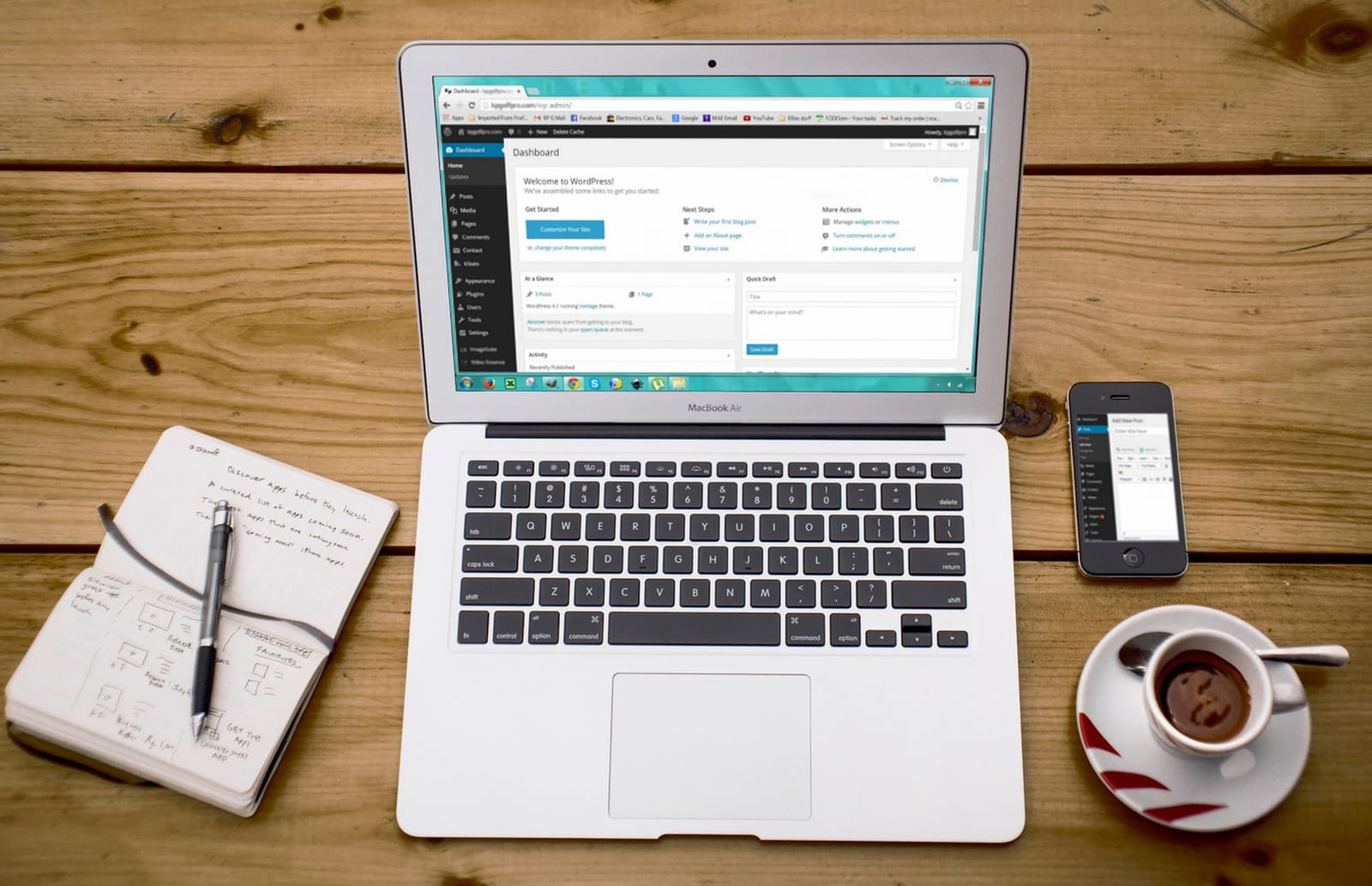
The right website builder depends on what your website needs to do and how hands-on you want to be. For most service-based small businesses that want a polished site they can update themselves, Squarespace or Wix is the simplest fit. WordPress suits businesses that need deep customization and have technical help. Shopify is built for businesses whose main job is selling products online. To decide, ask four questions: what does my site need to do, how hands-on do I want to be, how much is my time worth, and how much room do I need to grow?
KEY TAKEAWAYS
- No website builder is best for everyone. The right one depends on what your site needs to do.
- Squarespace and Wix have AI built in and suit owners who want a good-looking site without technical work.
- WordPress offers the most control but expects more technical comfort or outside help.
- Shopify is purpose-built for selling products online.
If you've started looking into building a website for your business, you've probably discovered there are a lot of options, and everyone online seems to have a strong opinion about which one is best.
Here's the honest truth: there isn't one "best" website builder. There's only the one that's best for you, your business, and the way you actually like to work. A platform that's perfect for a large online store might be total overkill for a service-based business, and vice versa.
So instead of telling you which one to pick, let's walk through the main options honestly, what each one is genuinely good at, and who each one tends to be right for. By the end, you'll have a much clearer sense of where you fit.
First, a quick shift in how these platforms work
Before we get into specific names, there's one change worth understanding because it affects everything else. Newer website builders have been designed with AI built right into the core of the product, it helps you generate layouts, write content, and get a site up quickly. Some of the more established platforms weren't originally built that way, so they add AI features on afterward instead.
Neither approach is automatically better. But it does shape the experience. Platforms with AI built in tend to feel more streamlined and beginner-friendly out of the box, while platforms that add it on tend to offer more raw flexibility for people who want deeper control. Keep that distinction in the back of your mind as we go, it's part of what separates these options.
AI is also changing how people find businesses, not just how websites get built. If you’re curious about that side, I explain it in What Is AEO? How to Get Your Business Found in AI Search.
Squarespace, polished and approachable
Squarespace is known for beautiful, design-forward templates and an experience that's genuinely pleasant to use. It has AI features built in to help you get started, and it handles the technical side, hosting, security, mobile responsiveness, behind the scenes so you don't have to think about it.
It tends to be a strong fit for service-based businesses, creatives, and professionals who want a website that looks polished and works well without needing to become a tech expert. If your priority is a clean, professional presence that you can actually maintain without pulling your hair out, Squarespace lives in that sweet spot.
The trade-off is that it's less endlessly customizable than something like WordPress. But for most small service businesses, that's a feature, not a bug, fewer decisions and less that can break.
Wix, flexible and beginner-friendly
Wix is another platform with AI built in, and it's known for being very approachable for first-timers. It offers a lot of templates and a drag-and-drop editor that gives you freedom to move things around exactly where you want them.
It's often a good fit for people who want maximum hands-on control over the look of their site without touching code, and who enjoy the tinkering part of building. The flip side of all that flexibility is that it can occasionally feel like a lot of options to manage, freedom and simplicity are always a bit of a tug-of-war.
WordPress, powerful, with a steeper learning curve
WordPress is the powerhouse of the group. It runs a massive portion of the internet, and it's incredibly flexible, there's almost nothing you can't build with it if you have the right know-how. It also has the largest community of any platform, so when you run into a question, there's an answer out there somewhere.
The honest catch is that WordPress doesn't have AI built into its core the way the newer builders do, you add those capabilities through separate add-ons. And more broadly, it expects a higher level of technical comfort. You're often managing hosting, add-ons, updates, and settings yourself, or paying someone to do it for you.
WordPress genuinely shines for businesses that need deep customization, have complex content needs, or have someone technical on hand to manage it. For a busy solo business owner who just wants a professional site and their time back, it can be more than they bargained for.
Shopify, built for selling products
Shopify is in a slightly different category because it's built specifically for e-commerce. If your business is primarily about selling physical or digital products online, managing inventory, processing lots of orders, handling shipping, Shopify is purpose-built for exactly that and does it very well.
If you're a service-based business that mostly needs to showcase what you do and get people to reach out, Shopify is probably more machine than you need. But if selling products online is the heart of your business, it's hard to beat.
So how do you actually choose?
Forget the online debates for a second and ask yourself a few honest questions:
What does your business actually need a website to do? A service business showcasing its work has very different needs than a shop selling 200 products. Start there, the right platform flows from the job you need it to do.
How hands-on do you want to be? Some people genuinely enjoy building and tweaking their own site. Others want it to look great and then never think about it again. Both are completely valid, just be honest with yourself about which one you are.
How much is your time worth? This is the one people skip, and it's the most important. A platform that saves you ten hours a month of fiddling might be worth more than one that saves you a few dollars. Your time has real value, and the cheapest option isn't cheap if it costs you your evenings.
How much room do you need to grow? Think a little bit ahead. The right platform for where you are today should also be able to come along for where you're headed.
Frequently asked questions
What is the easiest website builder for a small business?
For most owners without technical experience, Squarespace or Wix. Both handle hosting, security, and mobile layouts for you.
Do I need a developer to build my website?
Not for Squarespace, Wix, or Shopify. WordPress often works best with someone technical setting it up and maintaining it.
Can I switch website builders later?
Yes, but it usually means rebuilding your pages on the new platform, so it’s worth choosing carefully up front.
The bottom line
Every one of these platforms is capable of producing a great website. The real question isn't which one is best in the abstract, it's which one fits your business, your comfort level, and the amount of time and energy you actually want to spend on it.
And honestly? Sometimes the hardest part isn't picking the platform, it's having the time to build the thing well once you've chosen. Between the design, the content, the setup, and making it actually reflect your business, a website is a real project. That's where a lot of business owners get stuck, and it's completely understandable.
If you're weighing your options and not quite sure what makes sense for your business, or you know what you want but don't have the hours to build it yourself, that's exactly the kind of thing I help with. No pressure, no jargon, just a straightforward conversation about what would actually work for you.
👉 Not sure what's right for your business? Let's talk it through, reach out here.
Related reads: What customers look at before they buy from you online · See how we help with websites

